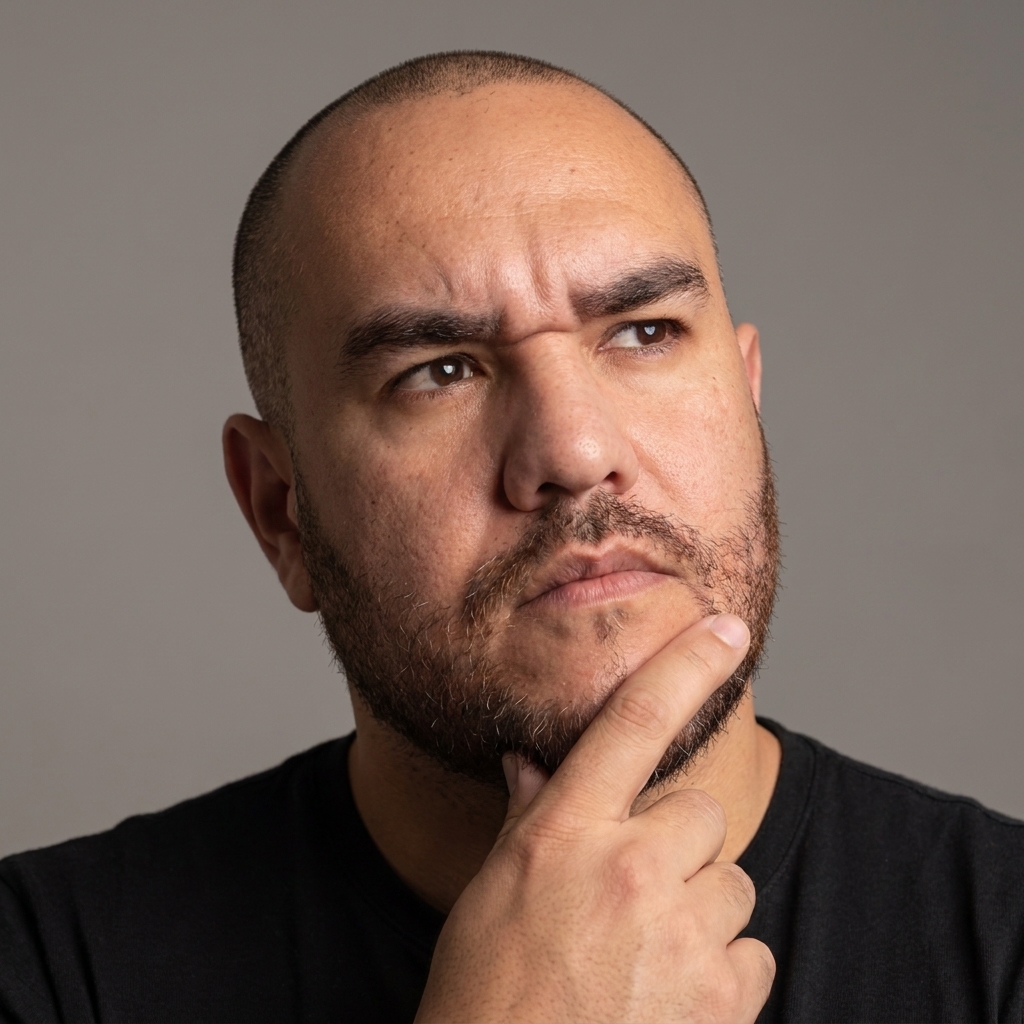
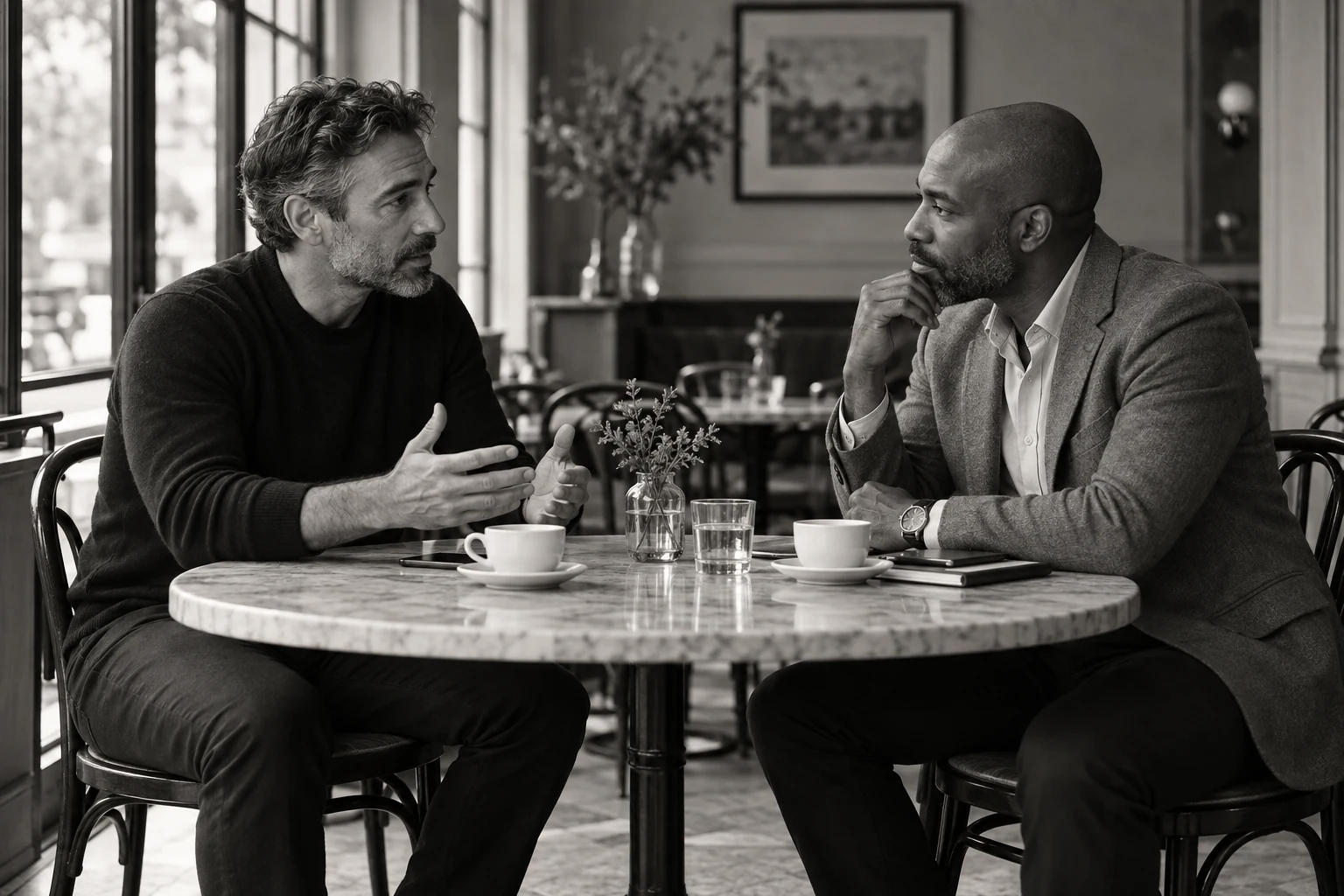
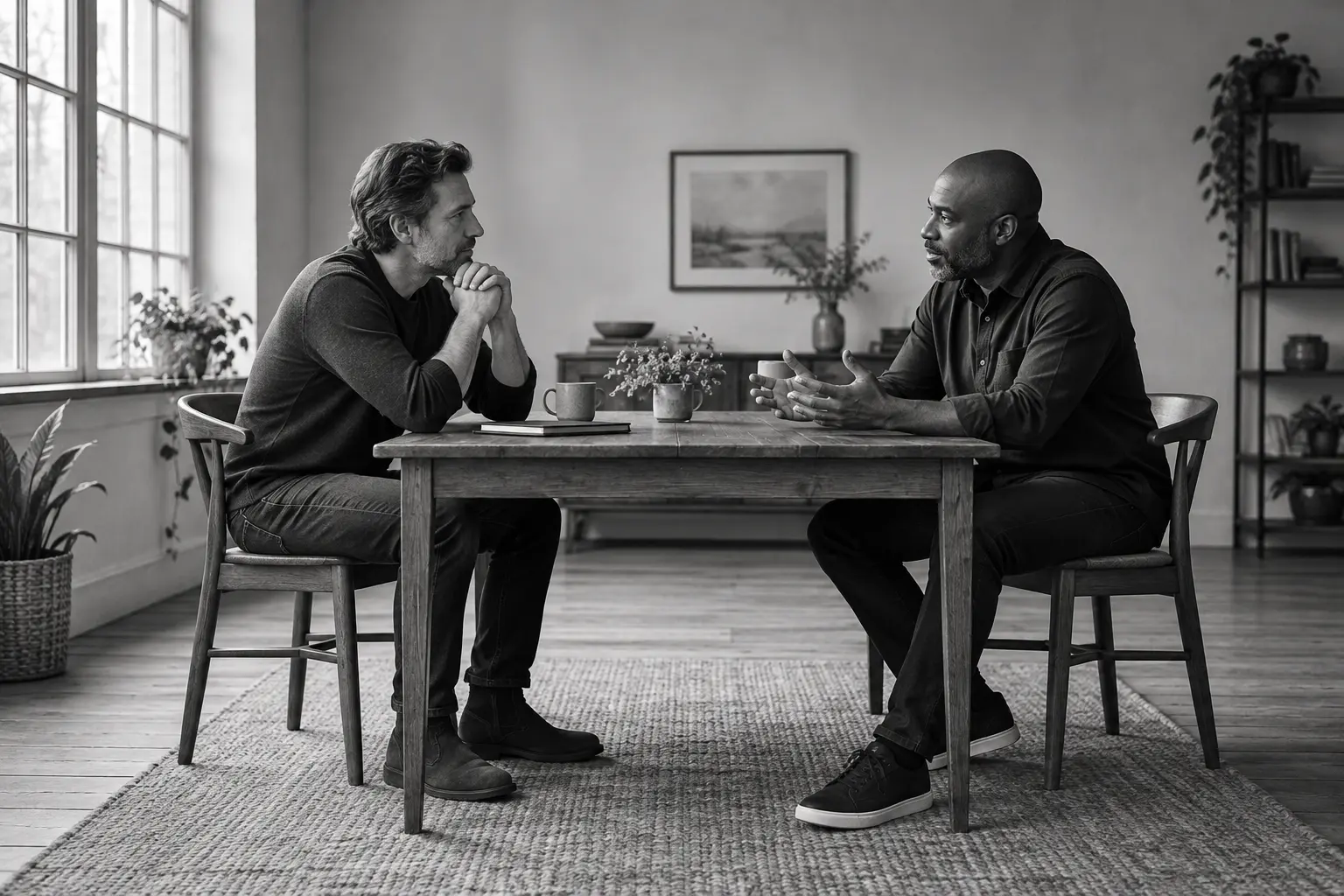
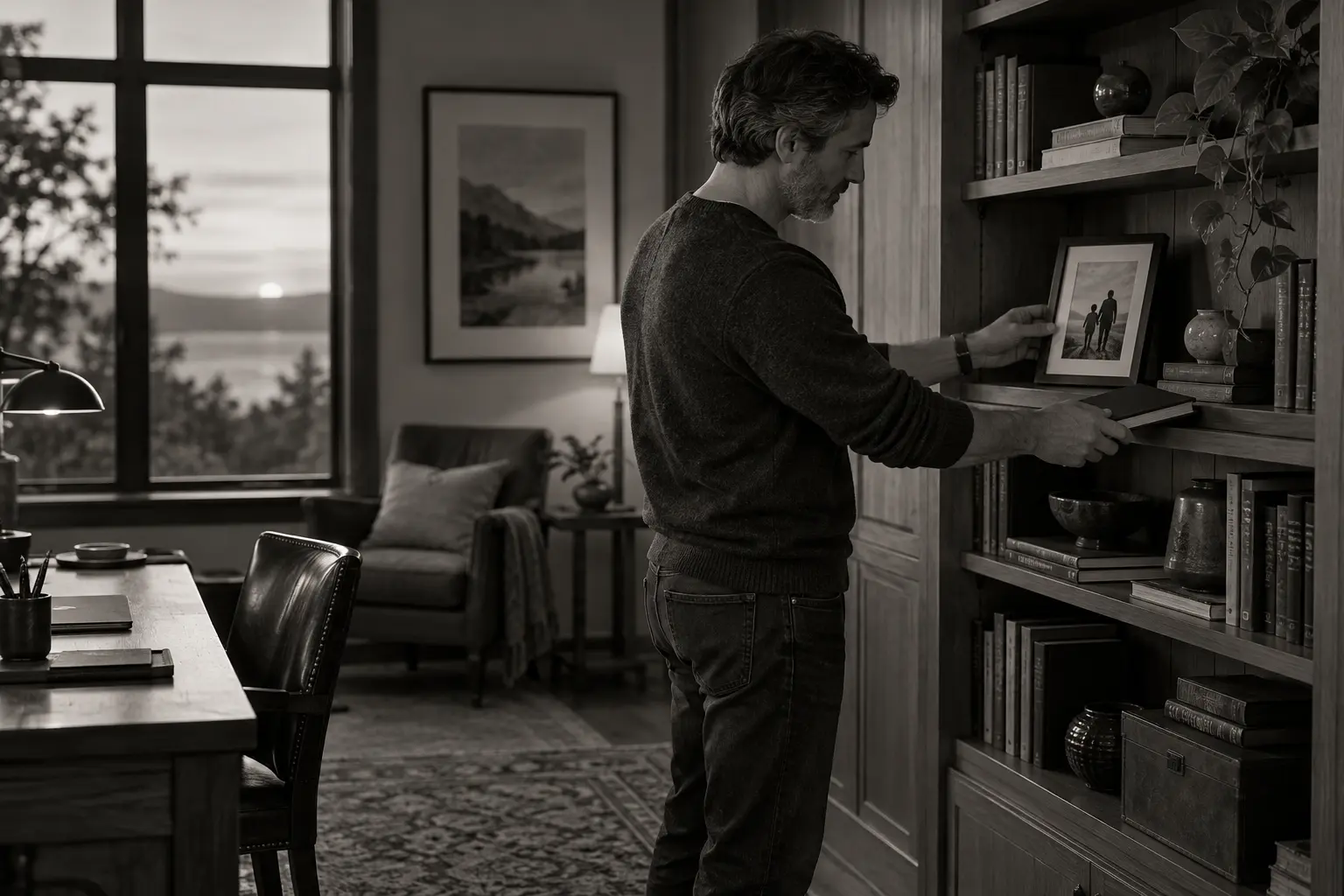
Decidir no siempre significa tener certeza. A veces significa dejar de esconderse detrás de más información y asumir qué camino estás dispuesto a sostener.
Deciding does not always mean having certainty. Sometimes it means stopping the search for more information and owning the path you are willing to sustain.
POR JOEY GRACONBY JOEY GRACON
Hay decisiones que se alargan no porque sean complejas, sino porque nos permiten conservar todas las posibilidades abiertas. Mientras seguimos comparando, nadie puede decir que elegimos mal. También evitamos descubrir qué exige realmente el camino que decimos querer.
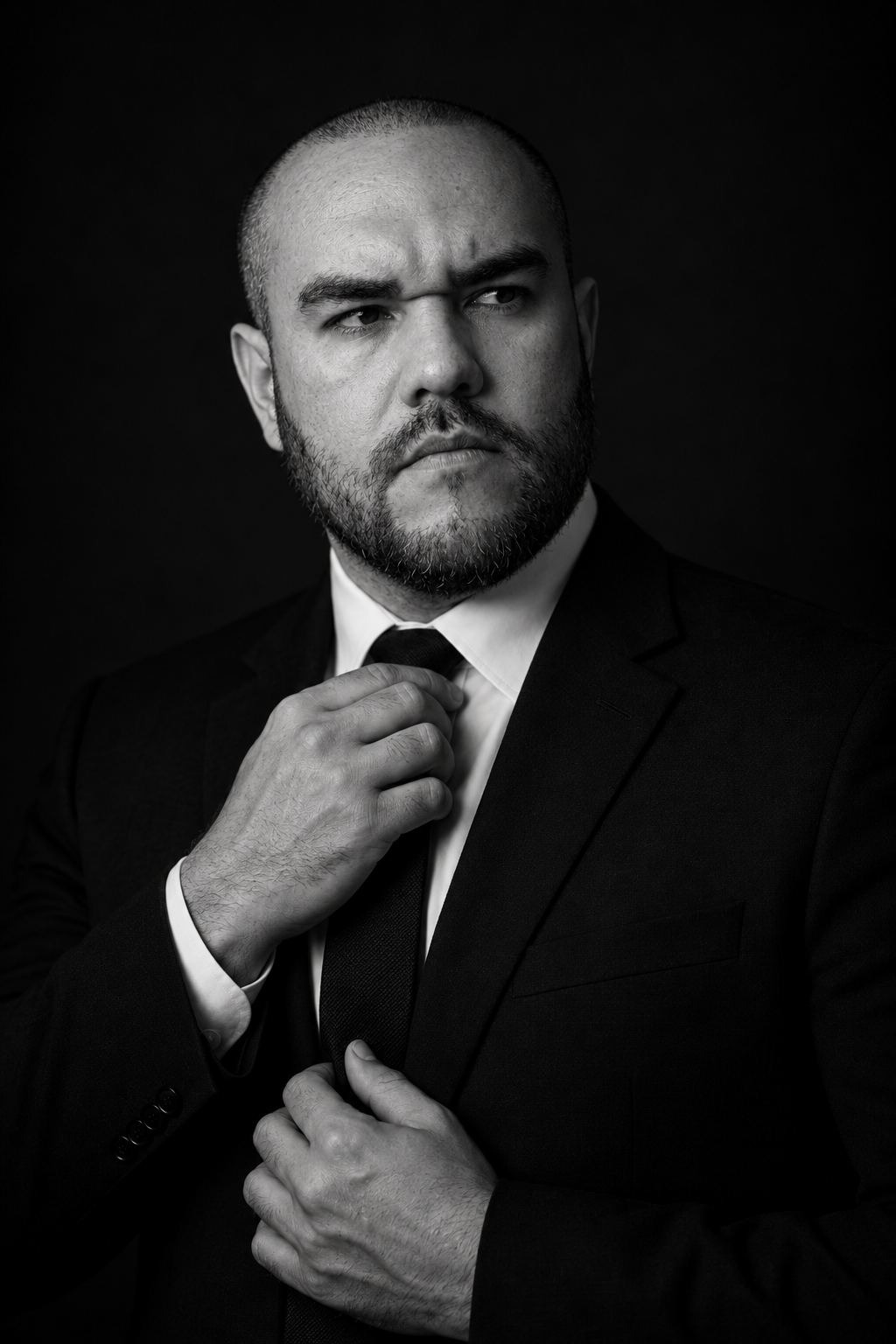
La claridad no aparece siempre como una revelación. Con frecuencia se construye al ordenar lo que sabemos, reconocer lo que ignoramos y aceptar que ninguna opción elimina por completo el riesgo. Un fundador, un padre o un hombre que empieza de nuevo rara vez recibe garantías. Sí puede dejar de confundirse deliberadamente.
Separar información de evasión
Buscar datos es responsable hasta cierto punto. Después de ese punto, cada nuevo análisis puede convertirse en una forma elegante de aplazar la decisión. Pregúntate qué dato concreto cambiaría tu elección. Si la respuesta es ninguno, quizá ya no estás investigando: estás buscando permiso para no comprometerte.
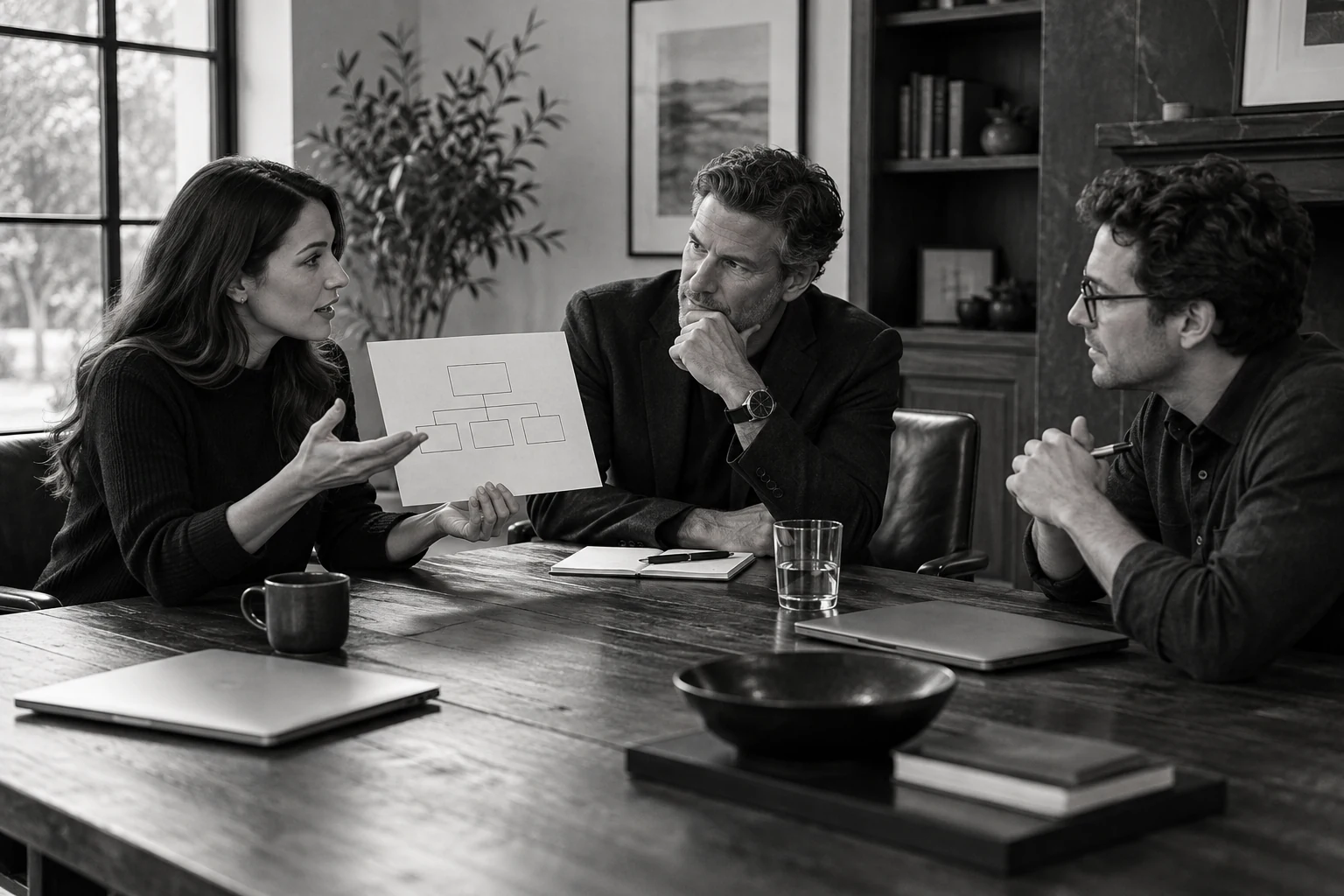
Una revisión útil distingue hechos, interpretaciones y temores. Los hechos pueden comprobarse. Las interpretaciones necesitan conversación. Los temores merecen ser escuchados, pero no siempre deben dirigir. Poner cada cosa en su lugar reduce el ruido con el que solemos llamar prudencia a la indecisión.
La valentía no siempre consiste en avanzar rápido; a veces consiste en dejar de fingir que todavía no sabes.
Elegir también es renunciar
Una decisión gana fuerza cuando nombra lo que quedará fuera. Elegir un negocio puede significar postergar otro. Proteger una relación puede requerir abandonar una dinámica conocida. Empezar de nuevo puede implicar que algunas personas ya no entiendan tu dirección.
No tienes que convertir cada renuncia en una tragedia. Basta con verla. Cuando sabes qué estás dejando, puedes comprobar si el precio corresponde a lo que quieres cuidar.
La prueba de los próximos treinta días
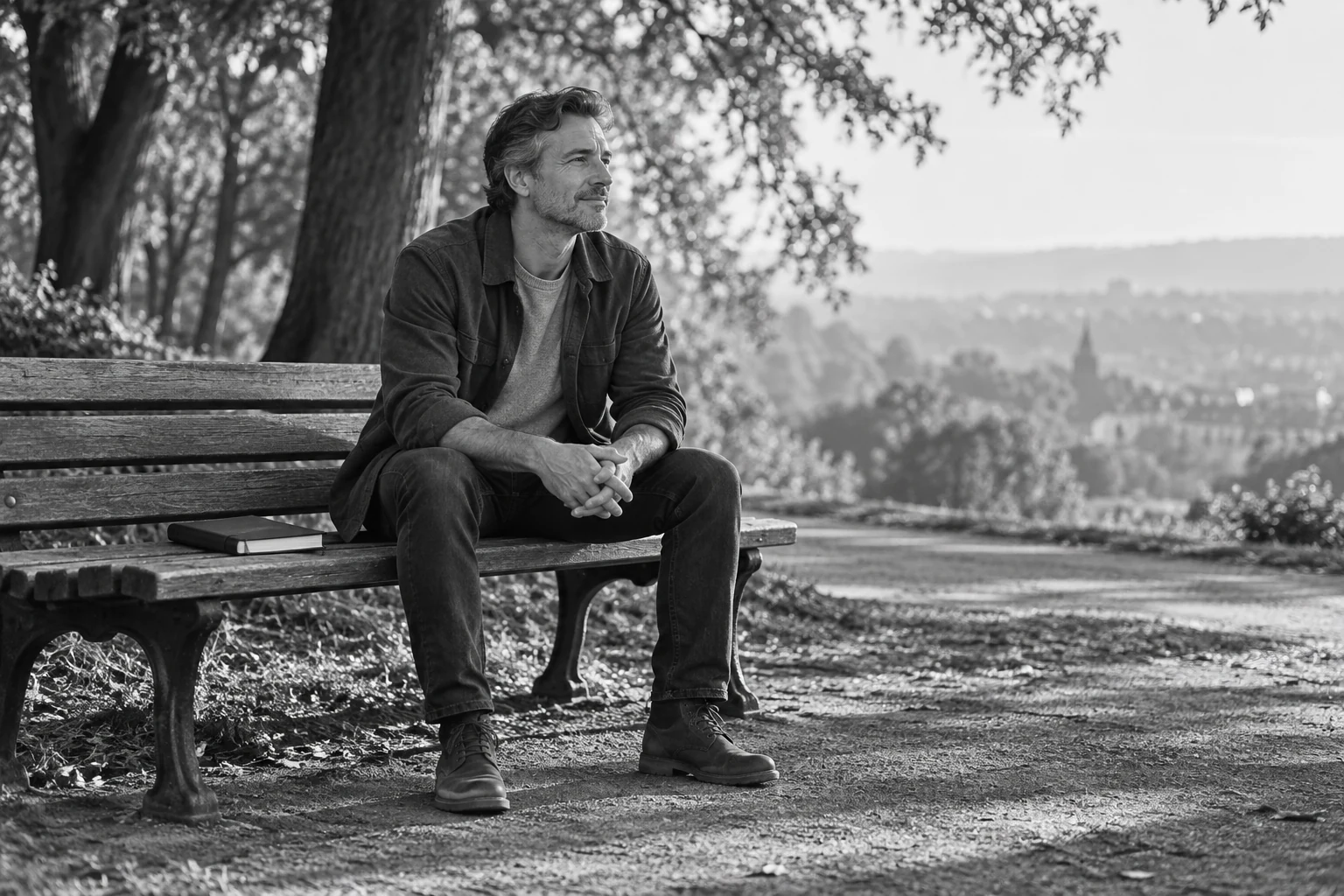
Para salir de la abstracción, escribe una decisión pendiente, el resultado que buscas y tres acciones que puedas ejecutar en los próximos treinta días. Añade una fecha de revisión y una señal que indique si debes corregir. No necesitas prometer que nunca cambiarás de opinión. Necesitas crear condiciones para aprender de una elección real.
La claridad no elimina la incertidumbre; te permite relacionarte con ella sin esconderte. Y cuando una decisión ya no puede garantizarte comodidad, al menos puede devolverte dirección.
Some decisions drag on not because they are complex, but because they let us keep every possibility open. While we continue comparing, nobody can say we chose badly. We also avoid discovering what the path we claim to want actually demands.
Clarity does not always arrive as a revelation. It is often built by arranging what we know, acknowledging what we do not and accepting that no option removes risk completely. A founder, a father or a man beginning again rarely receives guarantees. He can stop deliberately confusing himself.
Separate information from avoidance
Seeking data is responsible up to a point. After that point, every new analysis can become an elegant way to postpone a decision. Ask what specific fact would change your choice. If the answer is none, perhaps you are no longer researching; you are seeking permission not to commit.
A useful review separates facts, interpretations and fears. Facts can be checked. Interpretations need conversation. Fears deserve to be heard, but they do not always need to lead. Naming each thing reduces the noise we often call prudence.
Courage is not always moving quickly; sometimes it is stopping the pretence that you still do not know.
Choosing also means giving something up
A decision becomes stronger when it names what will remain outside. Choosing one business may postpone another. Protecting a relationship may require leaving a familiar dynamic. Starting again may mean that some people no longer understand your direction.
You do not have to turn every sacrifice into a tragedy. You only need to see it. When you know what you are leaving, you can ask whether the price matches what you want to protect.
The next thirty-day test
To leave abstraction behind, write one pending decision, the outcome you want and three actions you can take in the next thirty days. Add a review date and a signal that would tell you to adjust. You do not need to promise never to change your mind. You need conditions in which a real choice can teach you something.
Clarity does not remove uncertainty; it lets you relate to it without hiding. And when a decision can no longer guarantee comfort, it can at least return direction.